Understanding circulation slowdown, muscle stiffness, and drug free pain relief
Many people notice the same pattern:
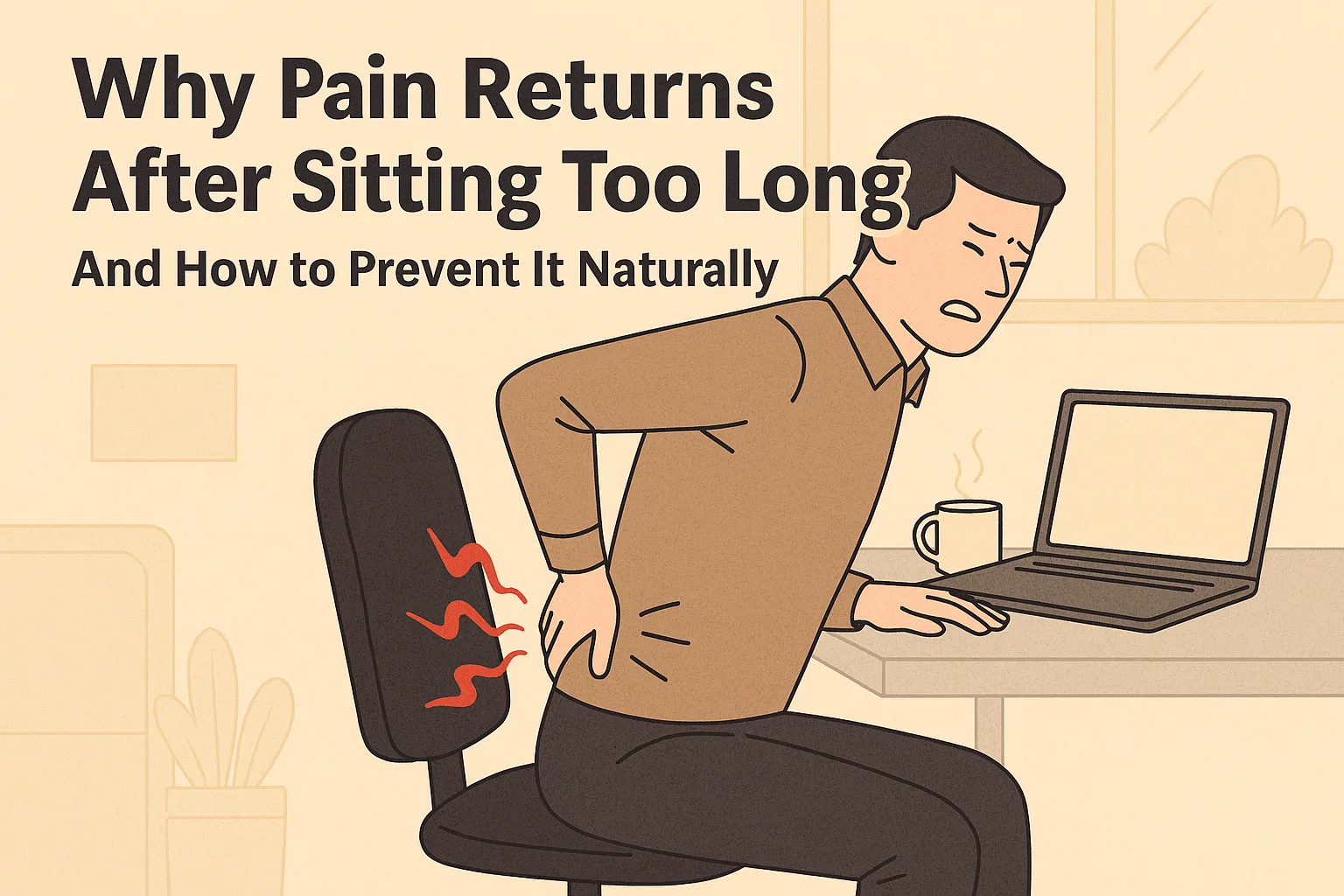
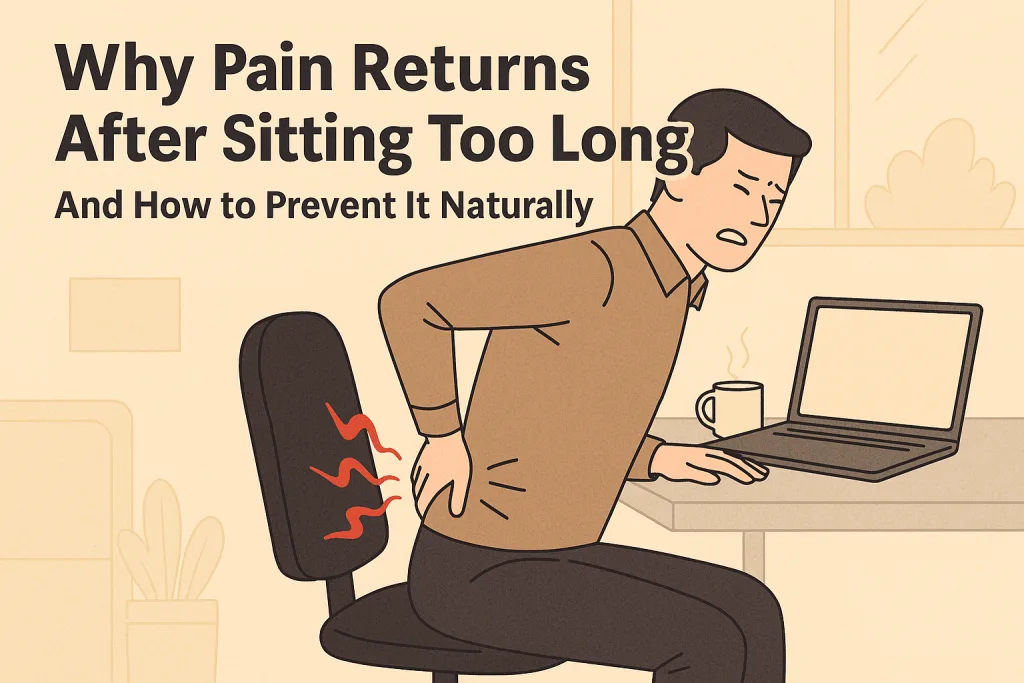
after sitting at a desk, driving, or watching TV for a long time, pain suddenly appears or gets worse.
Your lower back feels stiff.
Your shoulders tighten.
Your hips ache when you stand up.
This isn’t a coincidence and it isn’t just “getting older.”
In this article, you’ll learn:
Why sitting too long triggers pain
Which body systems are affected first
How to prevent pain naturally
Why magnetic therapy is increasingly used for sitting related pain
1. Why Sitting Too Long Triggers Pain
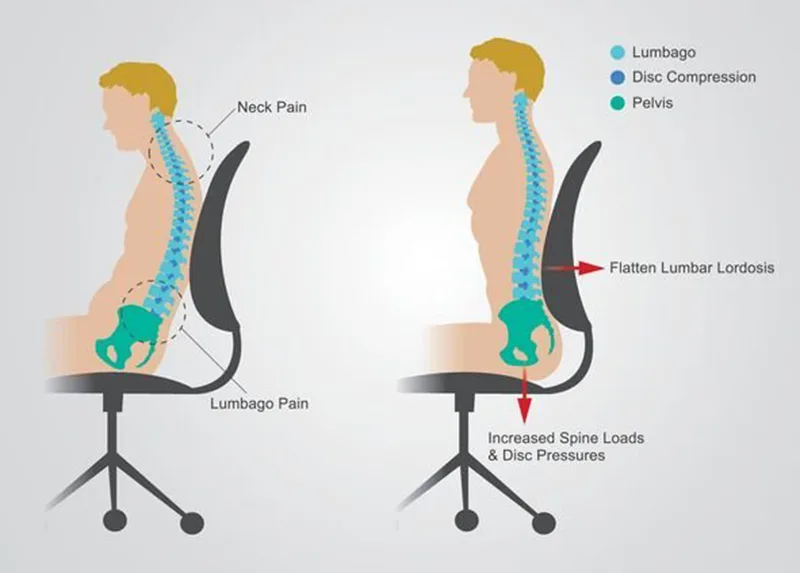
When you sit for long periods, your body enters a low circulation state.
Blood flow slows.
Muscles remain partially contracted.
Joint lubrication decreases.
Over time, this creates pressure, stiffness, and pain when you try to move again.
The main reasons include:
Reduced circulation in the lower back and hips
Muscle compression from static posture
Joint fluid stagnation
Nerve sensitivity increases
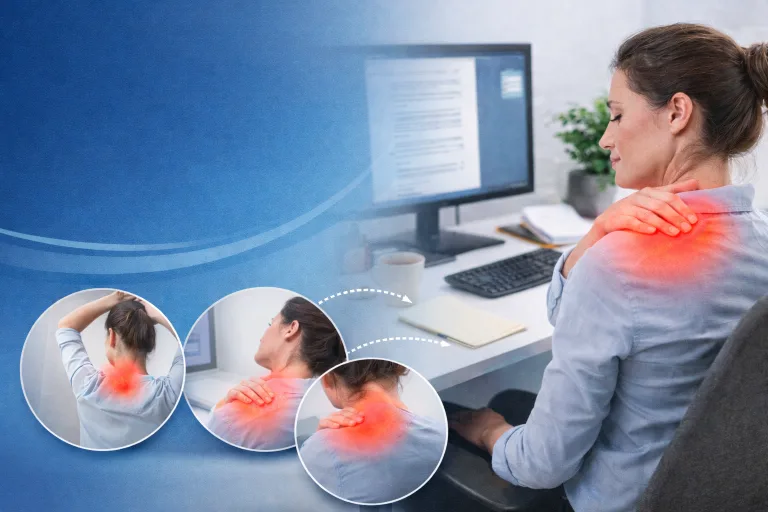
Pain after sitting most often affects:
Lower back
Neck and shoulders
Hips and glutes
Knees
Reference: Mayo Clinic — Sitting and Back Pain
2. Why Pain Often Appears When You Stand Up
A common question is:
“Why do I feel pain only when I get up?”
The answer is simple:
movement suddenly demands oxygen and flexibility but tight tissues can’t respond fast enough.
This causes:
Sharp stiffness
Pulling sensations
Temporary nerve irritation
This is not damage it’s a circulation and stiffness response.
3. Habits That Make Sitting Related Pain Worse
Several daily habits silently increase pain:
❌ Sitting without breaks
Circulation drops sharply after 20–30 minutes.
❌ Poor chair or screen height
Leads to neck and shoulder strain.
❌ Weak core muscles
Shifts load to the lower back.
❌ Cold office environments
Cold tightens muscles and joints.
❌ Stress
Stress keeps muscles in a semi contracted state.
4. Natural Ways to Prevent Pain From Sitting
The goal is not to “treat pain,” but to prevent circulation shutdown.
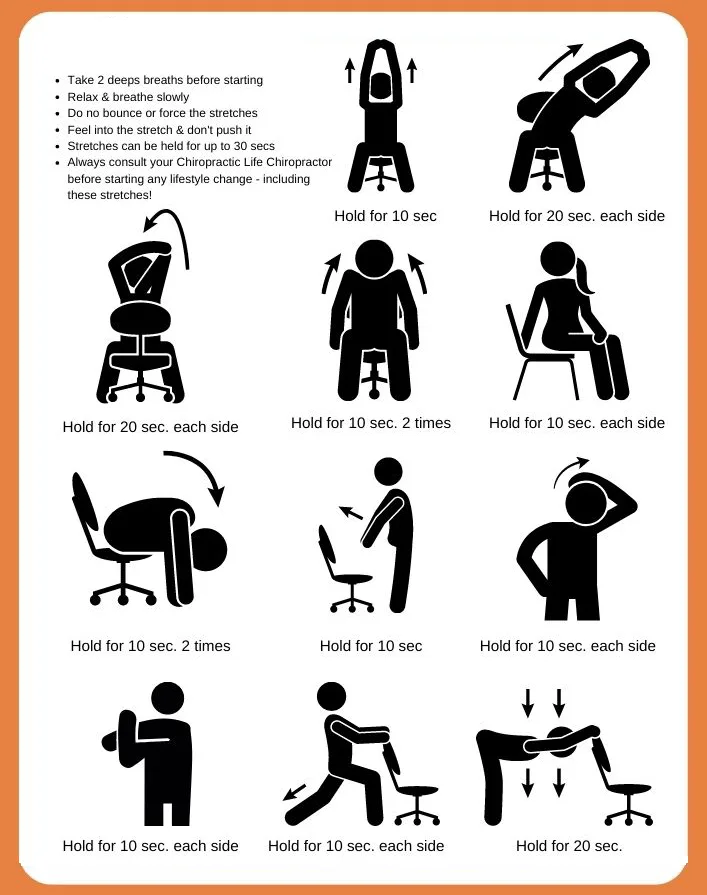
4.1 Micro movement every 20–30 minutes
Stand, stretch, or walk for 1–2 minutes.
4.2 Gentle mobility exercises
Hip circles, shoulder rolls, spinal twists.
4.3 Warmth for circulation
Heat increases blood flow to stiff tissues.
4.4 Magnetic therapy (passive prevention)
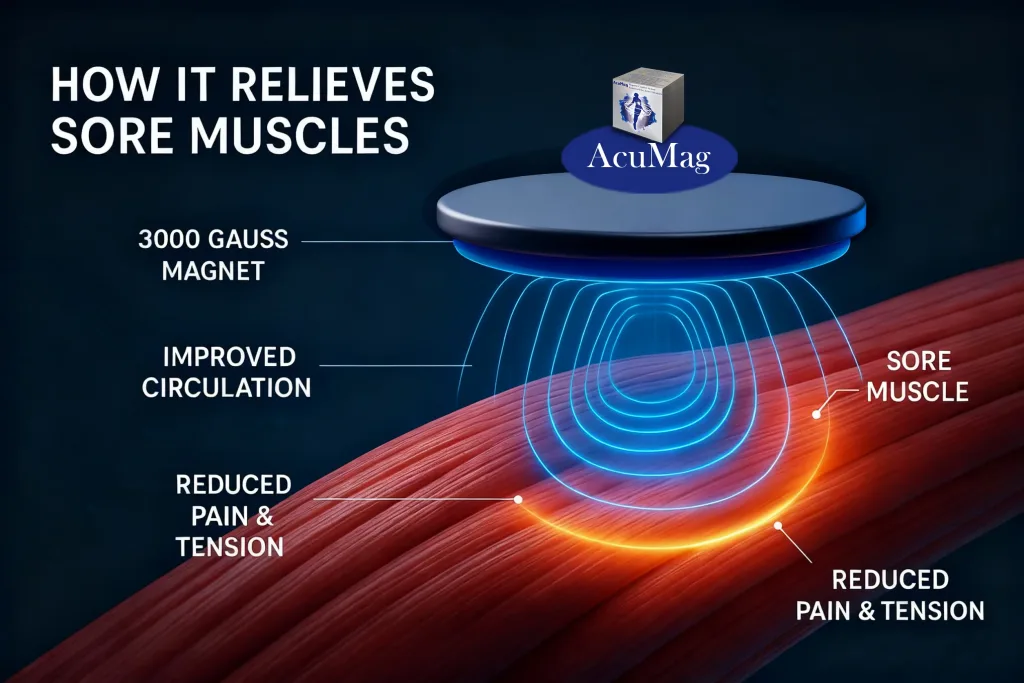
Magnetic therapy helps maintain microcirculation even while sitting.
Static magnetic fields may:
Support blood flow
Reduce muscle compression
Ease stiffness buildup
Prevent pain before it starts
This makes magnetic patches especially useful for office workers and drivers.
5. Why Magnetic Therapy Works Well for Sitting Related Pain
Most pain relief methods require action stretching, heating, massaging.
Magnetic therapy is different because it works passively.
Key advantages:
Continuous support for 24–72 hours
No heat, pressure, or chemicals
Can be worn under clothing
Works during sitting, working, or driving
This is why many people apply magnetic patches before pain begins, not after.
6. AcuMag™ vs. Traditional Sitting Pain Solutions
| Method | Duration | Limitations | Best Use |
|---|---|---|---|
| Stretching | Minutes | Temporary | Mobility |
| Heat pads | 20–30 mins | Short relief | Comfort |
| Massage | 1–2 hrs | Costly | Tension |
| AcuMag™ Magnetic Patches | 48–72 hrs | None | Sitting related pain |
AcuMag™ patches use:
3000 Gauss medical grade magnets
Skin friendly hydrocolloid adhesive
Long wear, reusable design
They support circulation without disrupting daily routines.
7. When You’ll Notice Improvement
Most users report:
Less stiffness after long sitting sessions
Easier standing and walking
Reduced pain accumulation by evening
Improved comfort during workdays
Prevention is more effective than recovery and magnetic therapy supports both.

FAQ
Q1: Why does my back hurt after sitting but not while sitting?
Because circulation and joint movement are restricted during sitting.
Q2: Is sitting related pain permanent?
No. It is usually functional and reversible.
Q3: Can magnetic therapy help office workers?
Yes. It supports circulation during long sitting periods.
Q4: Which areas benefit most?
Lower back, hips, shoulders, and neck.
Conclusion
Pain after sitting isn’t a sign of damage it’s a sign of circulation slowdown and muscle stiffness.
By improving movement habits and supporting circulation naturally, you can prevent pain before it starts.
AcuMag™ Magnetic Pain Relief Patches offer a simple, drug-free way to stay comfortable even during long hours of sitting.
👉 Exploring AcuMag™ for Pain Relief
Read Next:
Why Your Joints Hurt More in the Morning — And How to Fix It Naturally
Why Your Shoulder Feels Tight When You Wake Up and How to Ease It
Why Your Muscles Stay Tight Even When You’re Resting — Hidden Causes and Natural Fixes
Why Pain Feels Worse at Night — And How to Relieve It Without Medication