Understanding stiffness, circulation slowdown, and drug free knee support
Many people notice the same frustrating pattern:
After sitting for a while
at a desk, in a car, or on the couch
standing up suddenly makes the knee feel stiff, sore, or painful.
The pain often eases after a few steps, but returns again the next time you sit.
This isn’t random.
And it doesn’t necessarily mean your knee is “getting worse.”
In this article, you’ll learn:
Why knee pain often feels worse after sitting
What happens inside the knee during prolonged sitting
Why this pain improves with movement
How knee pain relief patches help support comfort during long sitting periods
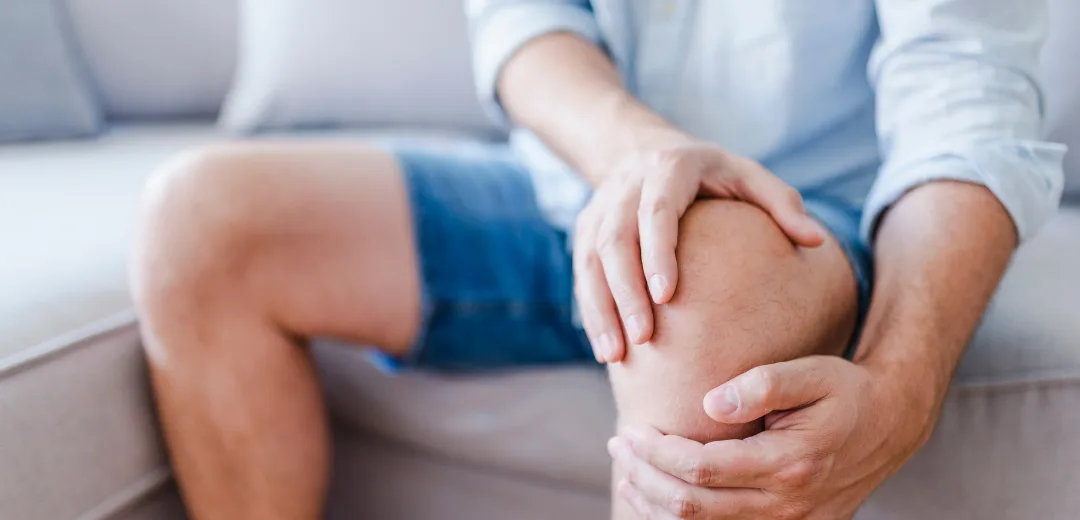
1. What Happens to Your Knee When You Sit Too Long
When you sit for extended periods, several things happen at once:
Joint movement stops, reducing synovial fluid circulation
Blood flow slows around the knee
Muscles around the knee relax too much, reducing joint support
Tissues cool and stiffen
The knee joint depends on regular movement to stay comfortable.
Without it, stiffness builds quietly.
2. Why Knee Pain Feels Sharp When You First Stand Up
That sharp or aching sensation when standing is caused by:
stiff joint tissues suddenly bearing weight
reduced lubrication inside the knee
delayed muscle activation
This is why pain is often worst in the first few steps, then improves as circulation returns.
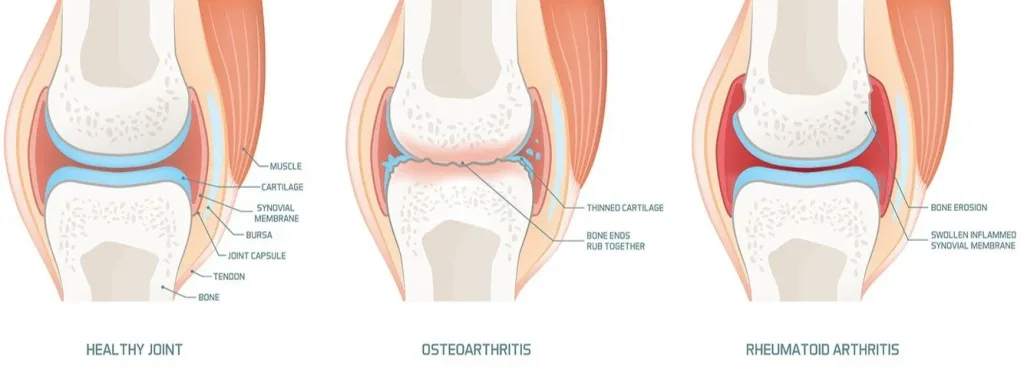
3. Who Is Most Affected by Sitting Related Knee Pain
Knee pain after sitting is especially common among people who:
work long hours at a desk
drive frequently
have mild arthritis
are over 40
experience reduced circulation
Even people without diagnosed knee conditions can experience this type of discomfort.
4. Why Sitting Related Knee Pain Keeps Coming Back
The cycle looks like this:
Sitting → stiffness builds → standing hurts → movement relieves pain → sitting again → pain returns
Unless circulation and joint support improve, the cycle repeats daily.
5. How Knee Pain Relief Patches Help During Long Sitting
Knee pain relief patches help by providing continuous support while you sit.
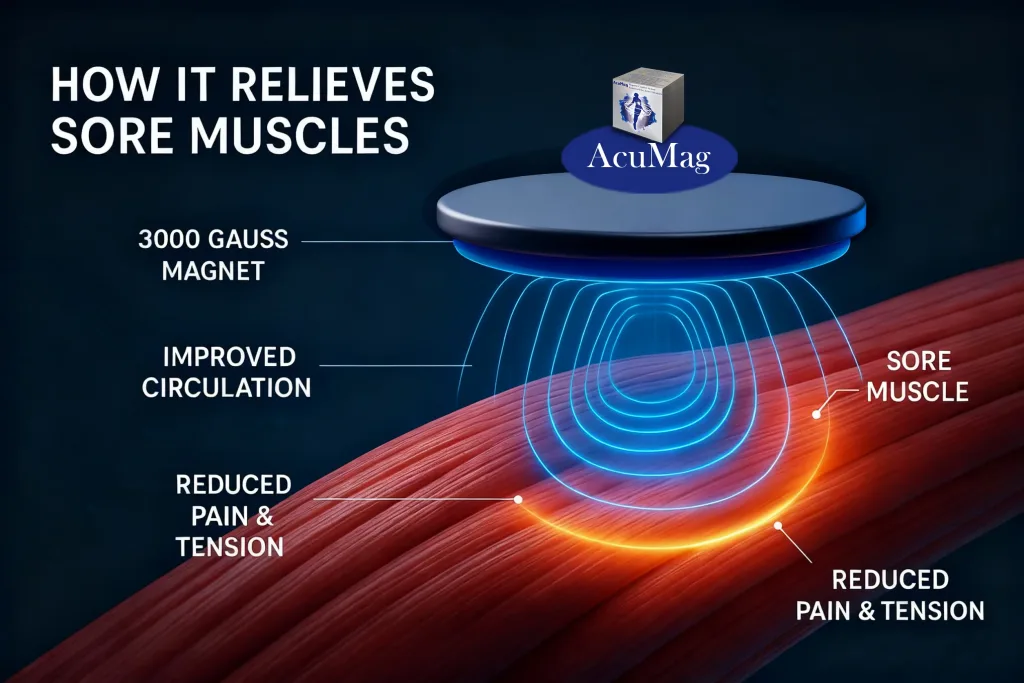
Magnetic knee patches:
support microcirculation even when the knee is still
reduce stiffness buildup
help the knee transition more smoothly when standing
work passively for 24–72 hours
Instead of reacting to pain after it starts, patches help prevent stiffness from building in the first place.
6. Why Patches Work Better Than Creams for Sitting Pain
Sitting related knee pain is slow building, not sudden.
That’s why:
creams wear off too quickly
pills don’t address stiffness buildup
braces restrict movement
Long wear knee pain relief patches offer steady, all day support without limiting mobility.
7. Best Practices for Using Knee Patches If You Sit a Lot
To get the best results:
apply the patch before long sitting periods
place it near the inner knee or around the kneecap
stand and move lightly every 30–60 minutes
wear the patch continuously as directed
Consistency reduces daily stiffness cycles.
FAQ
Q1: Why does my knee hurt after sitting for a long time?
A: Sitting for extended periods reduces joint movement and circulation, which can cause stiffness and discomfort when standing up.
Q2: Is knee stiffness after sitting normal?
A: Yes. Knee stiffness after sitting is common, especially among people with reduced circulation or early joint degeneration.
Q3: Can knee pain relief patches help with desk work?
A: Knee pain relief patches provide continuous support while sitting, helping reduce stiffness buildup during prolonged inactivity.
Q4: How long should I wear a patch while sitting?
A: Many people wear knee pain relief patches throughout the day, following recommended wear limits for comfort and skin safety.
Q5: Should I move or stretch while using a knee patch?
A: Yes. Light movement and stretching enhance circulation and work well alongside patch use.

Conclusion
Knee pain after sitting isn’t caused by damage
it’s caused by stillness, reduced circulation, and stiffness buildup.
By supporting circulation continuously, knee pain relief patches help your knees stay comfortable even when you’re sitting for long periods.
AcuMag™ Magnetic Knee Pain Relief Patches are designed for daily, drug free knee support at your desk, in the car, or on the couch.
👉Explore AcuMag™ Knee Pain Relief Patches
Read Next:
Knee Pain Relief Patch: What Actually Helps & How to Use It Safely
Is a Knee Pain Relief Patch Safe for Daily Use? (What to Know Before Wearing It Every Day)
Knee Pain Relief Patch for Arthritis: Does It Help?
How Long Does a Knee Pain Relief Patch Take to Work?
Can You Sleep With a Knee Pain Relief Patch On?
How Knee Pain Relief Patches Work for Knee Pain (Science Explained)
Best Placement for Knee Pain Relief Patches (Expert Tips)
Knee Pain Relief Patch vs Knee Brace: Which Works Better?
Why Knee Pain Gets Worse at Night — And How Knee Pain Relief Patches Help